Staffin strolling

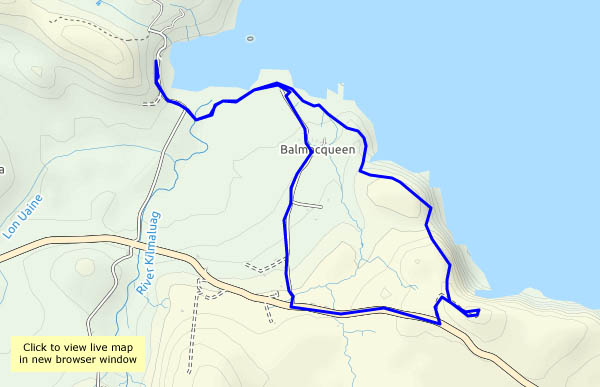
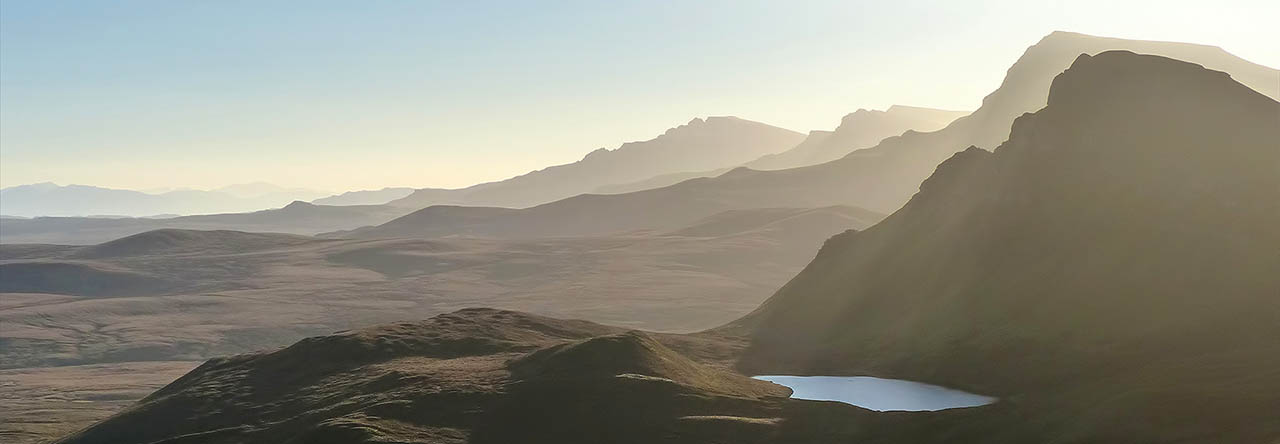
We’ve driven here from Uig, over the bealach – past the car park for the horribly busy path to the Quiraing. There must be 70-80 cars crammed into every available space (apart from that taken by the burger van). I believe, along with several other destinations on Skye, that’s it’s become firmly lodged on the “World Top 50 Selfies” list… (what a shame!)

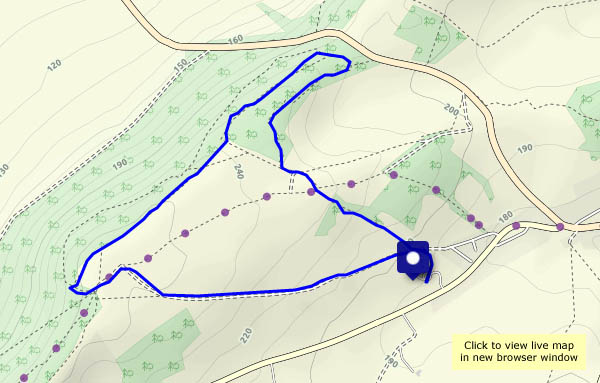
We squeeze past people struggling to park, and find ourselves in Staffin, for the very gentle walk over the hill and down to the shore south of the slip. Coming back up the well-engineered ancient path is slightly less gentle, but we can manage. Other than a few excessively loud voices at the slip, it’s really quiet – the only other person we’ve seen close by is a fisherman. On a fine, sunny, warm (for April) afternoon, Staffin’s shore is a great place to be.

View OS map on Streetmap http://www.streetmap.co.uk/map.srf?X=149198&Y=868006&A=Y&Z=120
A quiet glen

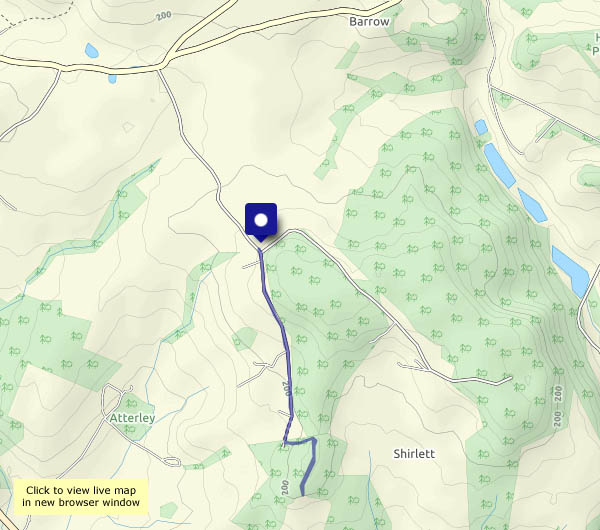
Monday 15 April: We’re in need of a good leg stretch – somewhere out of this cold south-easterly wind. The forest road up Glen Hinnisdal could be just the thing… It may be a forest road, but much of the woodland has been cleared – there are fine views up the glen, and, on retracing our steps, down to the coast and Loch Snizort.

View OS map on Streetmap http://www.streetmap.co.uk/map.srf?X=141515&Y=857530&A=Y&Z=120

Munslows and the Edge

Monday 1 April: another old favourite – walking from Aston Munslow, up onto the crest of the Wenlock Edge, and back via Munslow and the path across the fields. There’s no-one else about today – it’s very quiet up here. More signs of spring’s advance – the first bluebells are starting to appear, amongst the primroses, violets and celandines.

View OS map on Streetmap http://www.streetmap.co.uk/map.srf?X=351170&Y=287796&A=Y&Z=120

The Folly

It’s a landmark for miles around, marking the highest point of the Wenlock Edge. At the top of Flounders’ Folly. we’re 80 feet higher! Benjamin Flounders, a Yorkshireman, had it built in 1838. After falling into disrepair, the tower was renovated by a local trust in the early years of the millennium, with a new metal staircase. It is open to all who wish to take in the magnificent view from the top (and who are prepared to make the 500 ft ascent from the parking area) once a month – usually the last Sunday, also on certain high days (appropriately) and holidays. Today being the last Sunday in March, we’ll pay it a visit…

Flounders’ Folly

View OS map on Streetmap http://www.streetmap.co.uk/map.srf?X=345895&Y=285041&A=Y&Z=120

Up the Ashes!

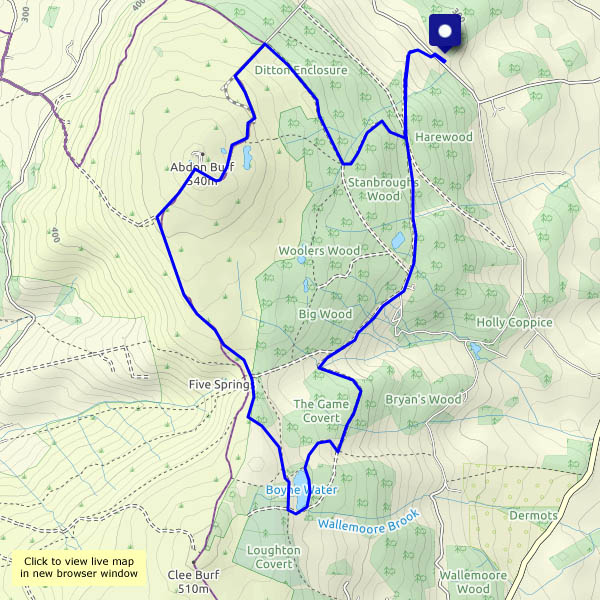
…to Pole Bank. Thursday 28 March – the sky is cloudless, we need an outing to enjoy this weather. Haven’t been to the Long Mynd for a little while, so we’ll go for the old favourite – up the Ashes Hollow, to its stream’s source in the Boiling Well (which is neither), on to the highest point of the Mynd at Pole Bank, then back along the ridge which eventually brings us back to Little Stretton by Small Batch (which is aptly named, a batch being a valley). Despite the weather, we have the hills almost to ourselves – I think we saw more wild ponies than people.

View OS map on Streetmap http://www.streetmap.co.uk/map.srf?X=342610&Y=293211&A=Y&Z=120

High Vinnals and Richard’s Castle

It’s a beautiful spring day, perfect for a picnic lunch on Climbing Jack Common… We’re walking from the Black Pool car park near Ludlow, up to the top of High Vinnals. The air is cold but clear – those are the Brecon Beacons, more than 40 miles distant on the southern horizon. Heading downhill now,  we cross the top of Hanway Common and look down on the Goggin (who wouldn’t?) before descending to what’s left of Richard’s Castle. It’s defended, or tended, by a pair of goats, currently basking atop the highest remaining wall. The church nearby has a separate bell tower,  The village of the same name is perhaps 3/4 of a mile way. A curious settlement – mostly in Herefordshire, its village hall is in Shropshire.

View OS map on Streetmap http://www.streetmap.co.uk/map.srf?X=348480&Y=271266&A=Y&Z=120

Cirrus over Cound

It’s a beautiful day! The sunshine is bright and warm, and the deep blue sky is decorated with wispy cirrus clouds. The fields will still be muddy, so we’re keeping to quiet surfaced lanes near the village of Cound. There’s a donation box for parking by the Guildhall, and there’s a second-hand book shop too. It’s open, but there’s no-one there, just an honesty box – 50p for paperbacks, £1 for hardbacks. Wonderful!

St Peter’s Charity Bookshop

View OS map on Streetmap http://www.streetmap.co.uk/map.srf?X=355890&Y=304016&A=Y&Z=120

Walking on a windy day

Willey and Linley: we walked this way before Christmas (see “The depth of December“) – a route which was good underfoot when the fields were soggy. After last night’s heavy rain, the field paths will again be worth avoiding. It’s cold, and with a strong westerly wind, a bit of shelter would be good too. So we’re returning to the quiet roads linking these hamlets, stretching our legs and making most of the (fitful) sunny intervals – the sun is pleasantly warm when it’s allowed to shine. (Just for variety, we’re doing it clockwise – last time, we walked widdershins)

View OS map on Streetmap http://www.streetmap.co.uk/map.srf?X=367450&Y=297861&A=Y&Z=120

A Tale of Four Bridges

There’s a cold wind, but it should stay dry. Maybe there’s a chance of some sunshine? Not really – certainly none of the deep blue that we had between the morning’s sharp showers. Down in the valley, walking between Ironbridge and the Coalport bridge, it’s sheltered and pleasant enough. To avoid what would have been a very muddy path, we’re crossing the Severn twice more – using the Jackfield memorial footbridge and lastly, the new “Free Bridge” – that’s four metal bridges in a row, all significant in their own way.

View OS map on Streetmap http://www.streetmap.co.uk/map.srf?X=368630&Y=302741&A=Y&Z=120

Rails and pools

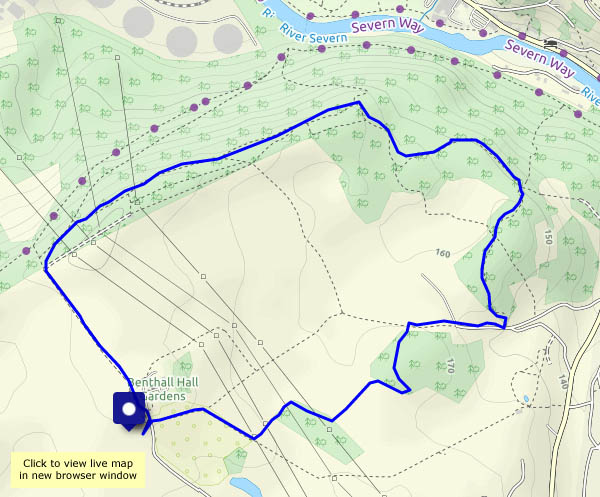
Wednesday 27 Feb: We’re enjoying the last day of the warm sunny spell, walking from the top of Coalbrookdale to the pools at Dawley, in part following the route of old pre-railway age wagonways. We’ll cross (on public footpaths) some real railways too – the disused line to the power station and the soon-to-be-reconstructed line from Horsehay. The various pools, dating from the same era as the wagonways, are likewise associated with the early iron-making industry in these parts. They look pleasantly rural in the bright sunshine.

View OS map on Streetmap http://www.streetmap.co.uk/map.srf?X=367790&Y=305706&A=Y&Z=120