Blackpool to High Vinnals

– a walk in the forest

The Blackpool (or Black Pool, interchangeable if the waymarkers are to be believed) in question is a mile or two south of Ludlow, just past the village of Overton on the Richard’s Castle road. We’ve walked to High Vinnals before, always from the other side (see High Vinnals and the pop-up tea rooms). Time for a change!

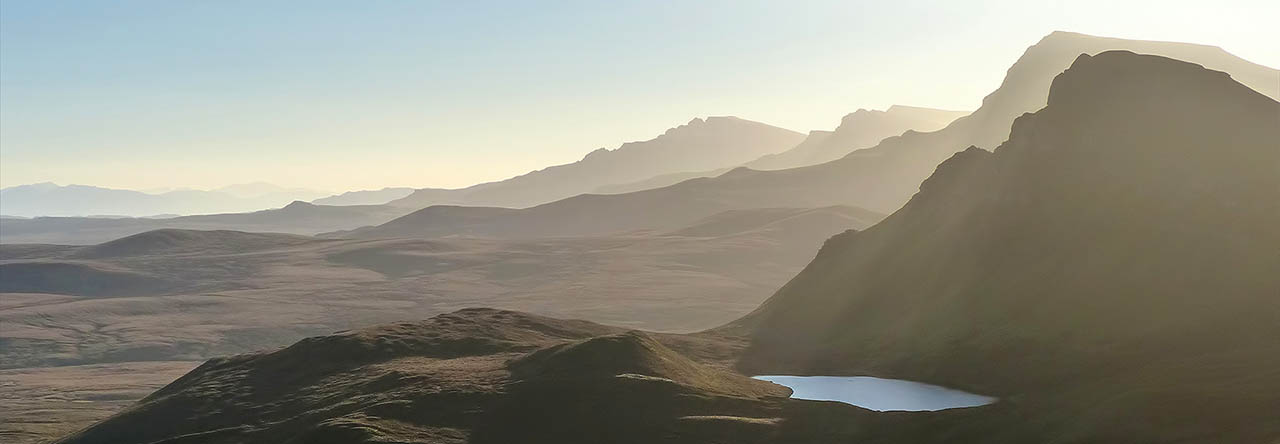
It’s an easy ascent, at first through extensive forest, though the paths are pleasant enough. The landscape opens up a little at Climbing Jack Common, and the views from High Vinnals would be tremendous, if it wasn’t for all the trees… There are gaps to the west, and to the east, the trees are still small. A little west of south, looking along the ridge, we can see the Black Mountains, and further west, Pen-y-Fan is just visible through the haze, some 40-odd miles away.

We’re heading back towards the car now, mostly along forestry tracks, with the odd stretch of footpath cutting through the necks of some of the loops. There’s just a little blue butterfly flitting about in the heather, and a friendly frog, to delay our return.

A welcome return to steam

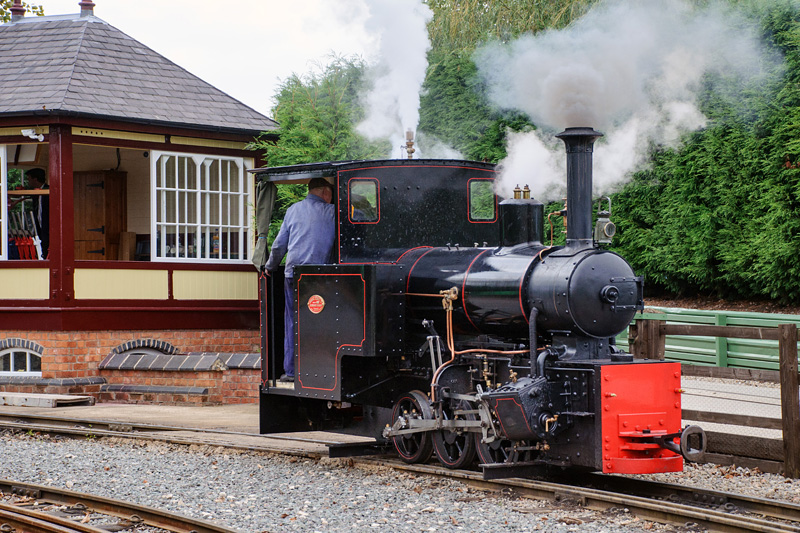
DSC_0826There have been some remarkable restorations and rebuilds in recent years (some wonderful new builds too). Surely the most unlikely rebuild to date is this one – Hudswell Clarke 1238 of 1916 fell into a river in Ghana, during a storm in 1948. It lay there, abandoned and forgotten, for 48 years. Today, at the Statfold Barn Railway, it made its formal return to active service for its owners, the Moseley Railway Trust. For more on today’s events, visit “1238 – Welcome Back” on Geoff’s Rail Diaries, and for more details of the project, visit this page on the Moseley Railway Trust’s Fleet List.

Moseley Railway Trust
Apedale Valley Railway
Statfold Barn Railway

Down the coast – Borth to Aber

Aberystwyth was always “Aber” on the railway – as a chalked destination on a parcels van perhaps. We’d be travelling by rail today, for a leisurely stroll along the cliff-top path from Borth to the university town.

The rain that started minutes after our arrival in Borth accompanied us to the top of the headland; a little way beyond it eased, and we were soon able to pack away the waterproofs and enjoy the coastal scenery. The cliffs are not high, but there is plenty of interest along the route, not least in the stripy strata clearly visible in the rocks.

The shingle spit at Wallog,  “Sarn Gynfelyn”, is one of several similar features of the coast. Of man-made appearance, they are the stuff of myth and legend – ancient ways to submerged kingdoms.

Clarach Bay is full of caravans and chalets. It’s not the prettiest part of the walk, and we pass through quickly – but a little way beyond, back on the cliff path, there’s a picnic bench. It provides a quiet spot for a break and a late lunch before we arrive at Aber, to walk along the promenade and enjoy a well-earned ice-cream (“Mario’s” – excellent!)

“Aber” is perhaps a touch ambiguous, and appropriately so. The full name means “mouth of the Ystwyth” – but that river makes a rather inconspicuous approach to the town, sneaking into the Rheidol just yards from the open sea. It’s the latter that is more obvious, providing the harbour for numerous pleasure craft – and, as we waited on the station platform, a Vale of Rheidol train steamed gently into the former Carmarthen line platforms. Aberrheidol perhaps? If nothing else, it would be easier to spell for us poor pob sais.

The Brigg

Flamborough Head is an obvious feature of the east coast map; just a few miles further north is a lesser promontory. Flamborough’s cliffs are white chalk; Filey’s Brigg is mud… The popular walk from Filey to the Brigg is an easy stroll, on this occasion after a false start – a passing shower caused a diversion to the café…

Pound Lane and Coalport

Hurricane Bertha is coming tomorrow – it’s going to be wet and windy all day. We’d better make the most of a bright and breezy afternoon. Pound Lane takes us past fields of wheat down to the old Severn Valley railway trackbed. Reaching Coalport station, we cross the river and head for the youth hostel beside the china museum – a good spot for tea and cake, or perhaps an ice cream. We’ve earned it, and it’s uphill all the way home.

The Toot and Clee Burf

No, we’re not in far-flung foreign parts! Clee Burf is the southern summit of Shropshire’s Brown Clee, and the Toot? That’s how it’s labelled on the OS map, but why is anyone’s guess. It’s a quiet bit of scrubby hillside on the southern flank of the hill. This was a pleasant walk – a fine afternoon, with air washed clean by yesterday’s rain, and a fresh breeze – perfect! An easy ascent takes us past Nordy Bank hill fort, and the heather is in bloom on the higher ground. There are one or two other walkers out; we didn’t count them, but we’re talking in single figures. No tea rooms or ice-cream vans on Brown Clee – could that be why?

Titterstone Clee and Croft: a day of two halves

Tuesday: We’ve had a very pleasant overnight stay in Ludlow, and now we’re looking for some not-too-energetic entertainment – it’s a warm morning, though the weather is gradually changing. The view from the top of Titterstone Clee could be good, and it’s a gentle stroll up from the car, parked on the old quarry level (it was, and it was…).

The tea-room at Croft Castle would be good for a lunch break – afterwards, we would walk up to Croft Ambrey, where the hill fort provides fine views of the Welsh border hills. The chestnuts in the park are increasingly decrepit;  replacement saplings grow nearby. We’ll return to the car by the wooded Fishpool Valley. There’s not much water in the pools – I suspect that’s going to change over the next couple of days.

Croft Castle and Parkland NT