Category: Uncategorized

Between rainy days…
…there are showery days. Need to time this carefully! It’s a walk around the lanes (too much mud away from hard surfaces) at Cound, always pleasant, never busy. Timing? Perfect – a light shower as we drove home, and a heavier one just after we were back indoors.


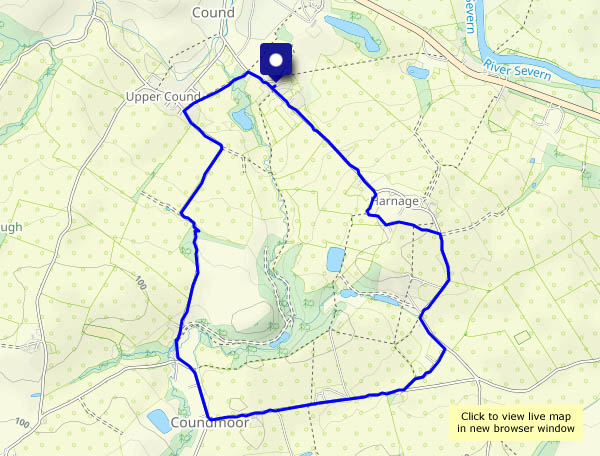
View OS map on Streetmap http://www.streetmap.co.uk/map.srf?X=356010&Y=304045&A=Y&Z=120
Keith and Dufftown
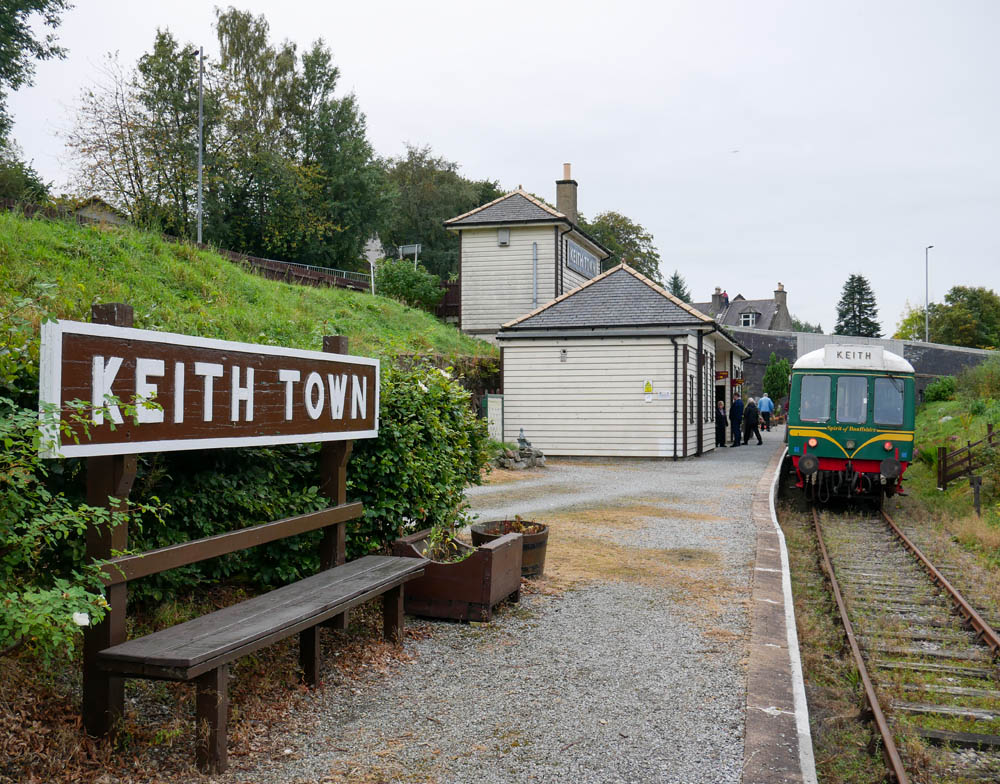 Just published to Geoff’s Rail Diaries, an illustrated account of our visit (on 30 September) to the Keith and Dufftown Railway, in the land of Speyside malt whisky… Visit “The Whisky Line“ – now!
Run for it!
Another dry morning (another showery afternoon). I’m wandering through the fields, mostly between the Bridgnorth road and the river. There’s no-one else about – but what about those three there, by the edge of the wood? We often see fallow deer in these parts, but they don’t usually have this dark colouring. I think they’re the ‘melanistic’ variety, described as black or chocolate coloured, but I’m not sure – never seen any like these before. They look up – they’ve seen me – but I don’t seem to be posing a threat, and for a minute or two they carry on nibbling at the undergrowth. Then a pheasant suddenly bursts noisily from the wood, spooking them, and they’re off!


Just beyond the deer, the path was completely blocked by a fallen tree (hawthorn – I’m not going to try and push through that!) – had to take a field’s edge detour.

View OS map on Streetmap http://www.streetmap.co.uk/map?X=368920&Y=298730&A=Y&Z=120
A long day out
…and a most enjoyable one, on 21 June – the longest day of the year. We’re exploring parts of north-west England by rail, using the “Cheshire Day Ranger” ticket. A “Rail Diaries” page will appear in due course; in the meantime here’s a selection.
We had a late lunch at a huge hostelry named “The Railway”, probably because it wasn’t far from Meols railway station. But was I missing something?


For more photos and an account of our day’s travels, visit Cheshire Solstice on Geoff’s Rail Diaries
Figures in the landscape
After successfully recording 61306 Mayflower hurrying along near Allscott (see previous post) we had two remaining needs – a leg-stretch on this fine, cold and breezy afternoon – and lunch (which we’d foregone in order to see the train, which was due at about 1pm). “There’s a little cafe in the woods at Haughmond Hill”. The bacon sandwiches were excellent. The walk was enjoyable – it’s a popular spot, so there are others about, but they seemed to know how to place themselves to lend scale to the extensive views.


View OS map on Streetmap http://www.streetmap.co.uk/map?X=354310&Y=313800&A=Y&Z=120
Here’s an old friend
In February 1970 I visited the Zillertalbahn in Austria (a school ski trip – I took a day off when I realised how close we were to the railway). On that snowy day, their steam locomotive no.2 Zillertal was in charge of the passenger service, and I enjoyed no.2’s company on a run up the valley.
Two years ago, newly-overhauled, Zillertal came to Wales, on hire to the Welshpool and Llanfair Railway. I would have visited sooner, but we all know what happened in early 2020. This afternoon, on our way back from the Rhiw Valley, we called in on the W&L – and there, at Raven Square station, was no.2 Zillertal! It’s a long time since we met!


Rhiw Valley farewell
Two visits today – the first to a little railway in a quiet Welsh valley whose waters feed the Severn mid-way between Newtown and Welshpool. The 15″ gauge line in fields beside the river Rhiw was the creation of the late Jack Woodroffe some 50 years ago. Jack died in 1990, but the line has remained in operation with the support of his widow and a group of enthusiasts. Sadly, it seems that all good things must end, and today, after the last open day of the 2022 season, the line was to close. We’d though we’d better pay a final visit.
More photos to follow in a day or two – in the meantime, here are a couple of views of the railway in operation, with the train hauled by 0-4-0 Jack and
0-6-2T Powys.
Rhiw Valley Railway: “The Line that Jack Built”


A railway revolution
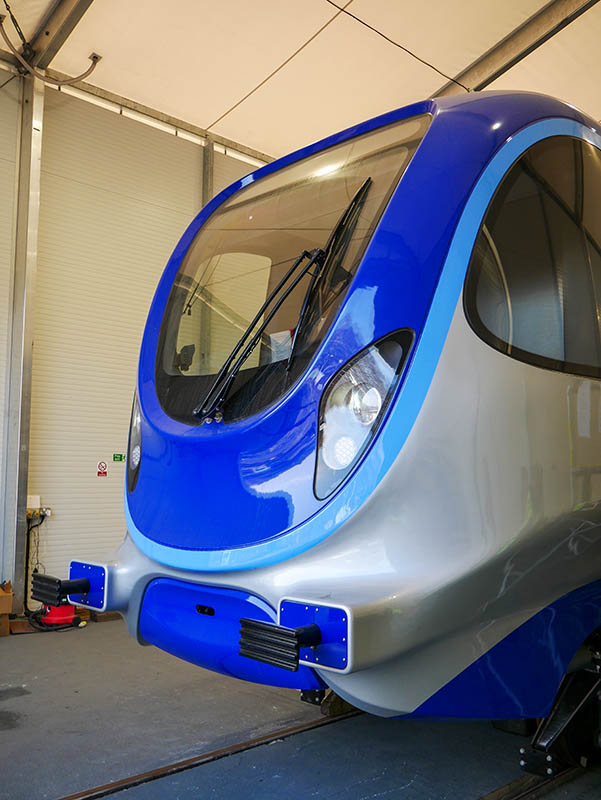 Just published to Geoff’s Rail Diaries, an account – and more photos – of our visit last week to the RevolutionVLR site at Ironbridge, home of the Very Light Rail project. Go to RevolutionVLR – now!
Enchmarsh and Chatwall
A walk from Cardington, along little-known lanes and byways, through unlikely-sounding places. Enchmarsh sounds Tolkienesque, Yell Bank noisy and Hoar Edge cold. Is Chatwall something to do with Facebook? We’re walking across and along watersheds: Yell Bank separates waters which flow northwards, to join the Severn near Cound, from those flowing south-east, via the Onny and the Teme, to enter the Severn near Worcester. We walk along the minor ridge which bridges the gap between Yell Bank and Hoar Edge: to our right, it forms Bullhill Brook, then Coundmoor Brook, joining Cound Brook just before it reaches the Severn. To our left, water flows by a more westerly route, but also enters the Severn via Cound Brook. Well I think it’s interesting…


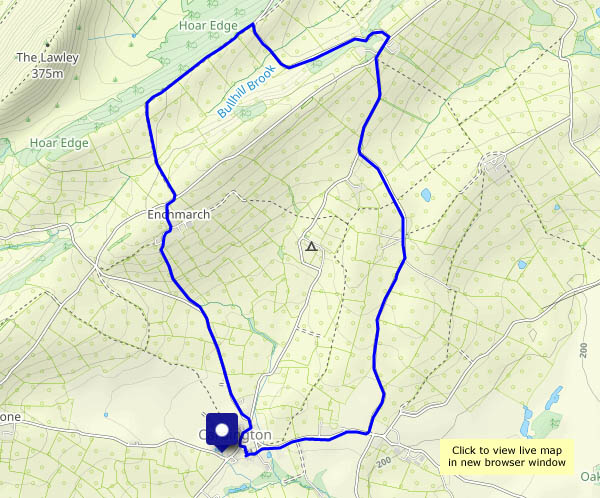
View OS map on Streetmap http://www.streetmap.co.uk/map?X=350745&Y=296315&A=Y&Z=120

